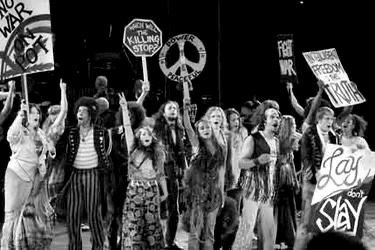
2026? 2016? No, 1960!
In the 1990s, psychedelic patterns and shapes, hippie fashion and similar political movements resembled what the 1960s culture revolutionized. That 30 year gap bridged by trends always coming back around, reached new bounds in the 2020s.
Blue eyeshadow, big sunglasses and the youth’s rebellion against the government shows patterns of the 1960s that XSTSY MEDIA believes is making a comeback. Or we hope so!
History repeats itself, whether that refers to the textile industry or foreign war. The only way positivity can come from the brutal past is if recognized and adapted to the times now. These trends are accustomed to the present day and are not perfect portrayals of what once was.
XSTSY MEDIA notices an upheaval of society stressing the importance of how the 1960s shaped the globe. We dive into our opinions of how we think 2026 will be the new 1960.
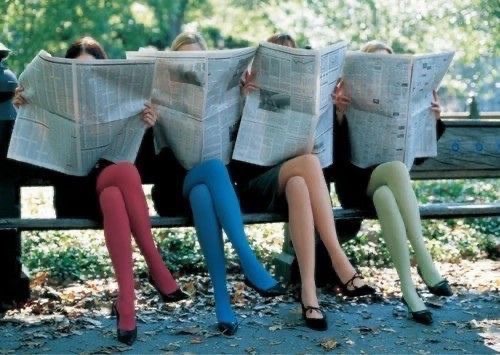
A current, popular trend on social media is Gen Z and Gen Alpha referring to each year as the decade before it, aesthetic wise. For example, 2025 resembled 2015 for its Tumblr influence of original Instagram filters, Victoria’s Secret PINK collection and EOS lip balm. This year 2026 signifies 2016, which for older Gen Z’s marked the end of their high school career or the beginning of college with Donald Trump becoming president. Younger Gen Z’s and Gen Alphas are fixating on the 2000-teens’ nostalgia similar to the recent surge of Y2K culture.
The spike in yearning for ‘simpler times’ comes from the younger generations lacking hope for their future. A common topic of conversation for many Gen Z’s and a feeling they can relate with a large populous.
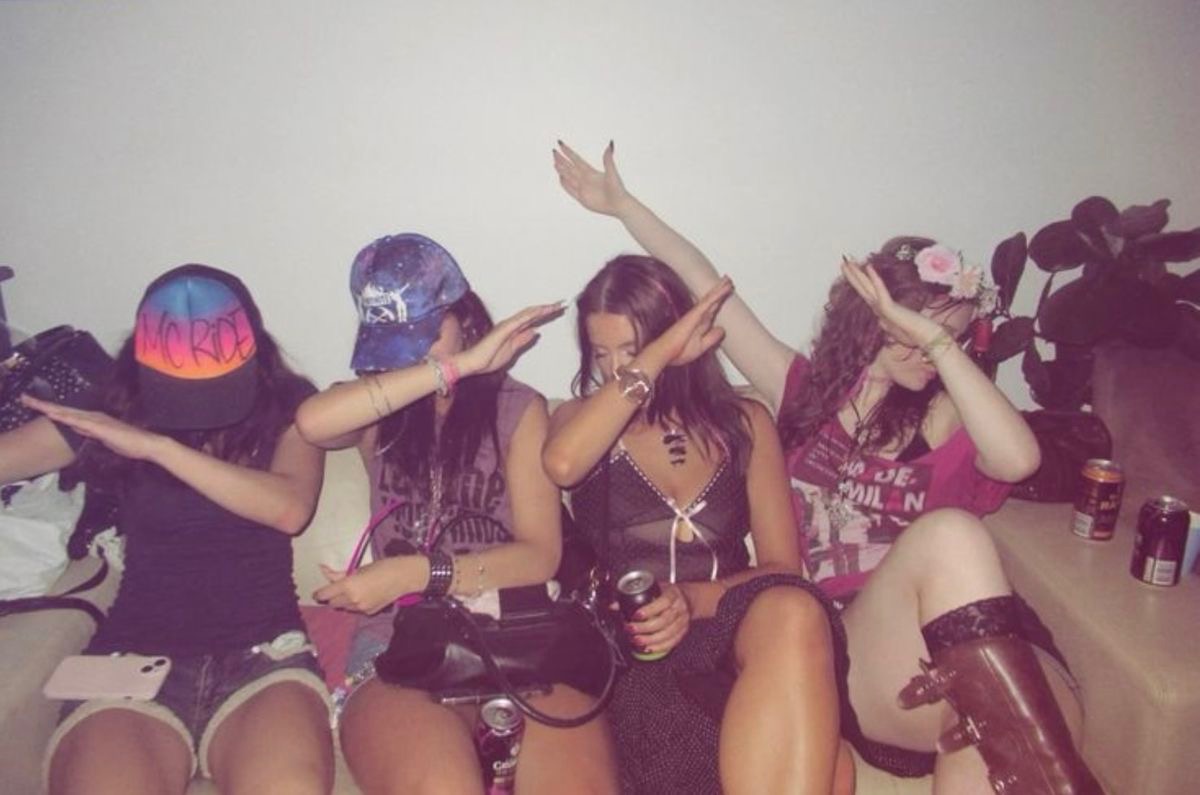
Editor-in-Chief, Sarah Van Buskirk sat down with her grandparents on Thanksgiving and had interesting conversations not only about the lack of open-mindedness from the Boomer generation but also about the similarities of her grandparents' early adulthood that Gen Z can relate to.
Van Buskirk does not share similar political opinions with her grandparents but does not blame them for their current view of the world. Van Buskirk’s empathy helps recognize what women, people of color and members of the LGBTQ+ community of their time had to go through, while recognizing the struggles of what society endured as a whole with questioning the establishment’s credibility.
The protests for freedom, feminism, LGBTQ+ rights erupted in the 1960s and the music and art that birthed from that remains in the social consciousness of people today.
There are intentions and wounds of the 1960s that are still embedded across the world.
America was a country trying to find itself and with the pressure young people put on the government regarding voting rights and desegregation, they successfully generated positive movements for humanity.
Ultimately, a love revolution is what the United States needs in 2026. XSTSY MEDIA curated a varied list of 1960s trends that we hope will return in 2026.
FASHION
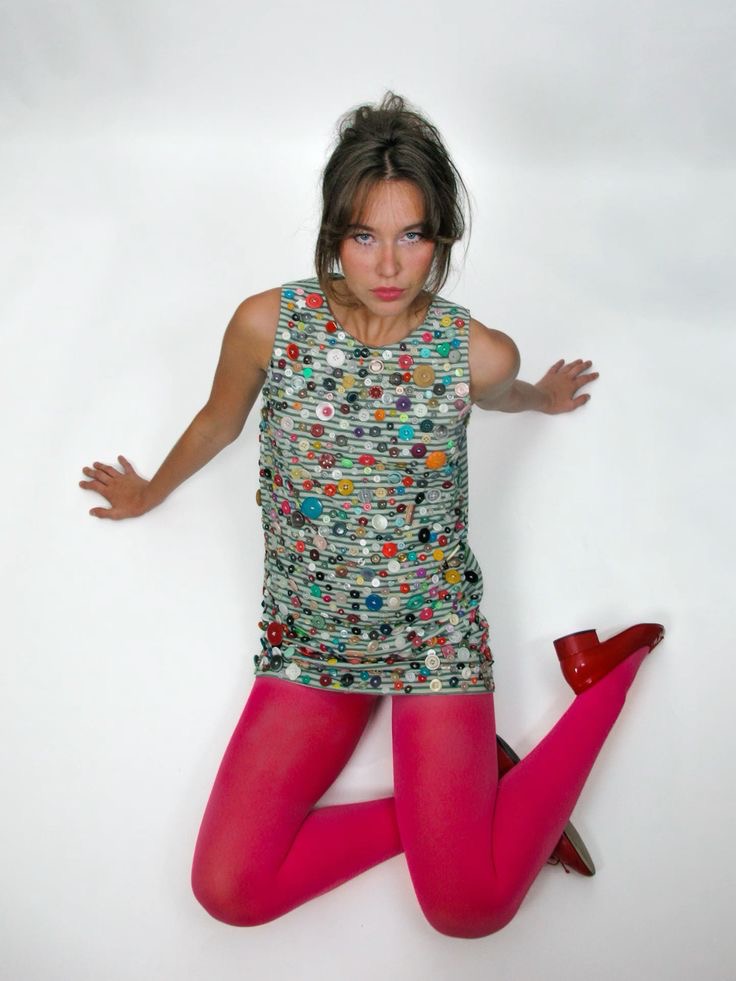
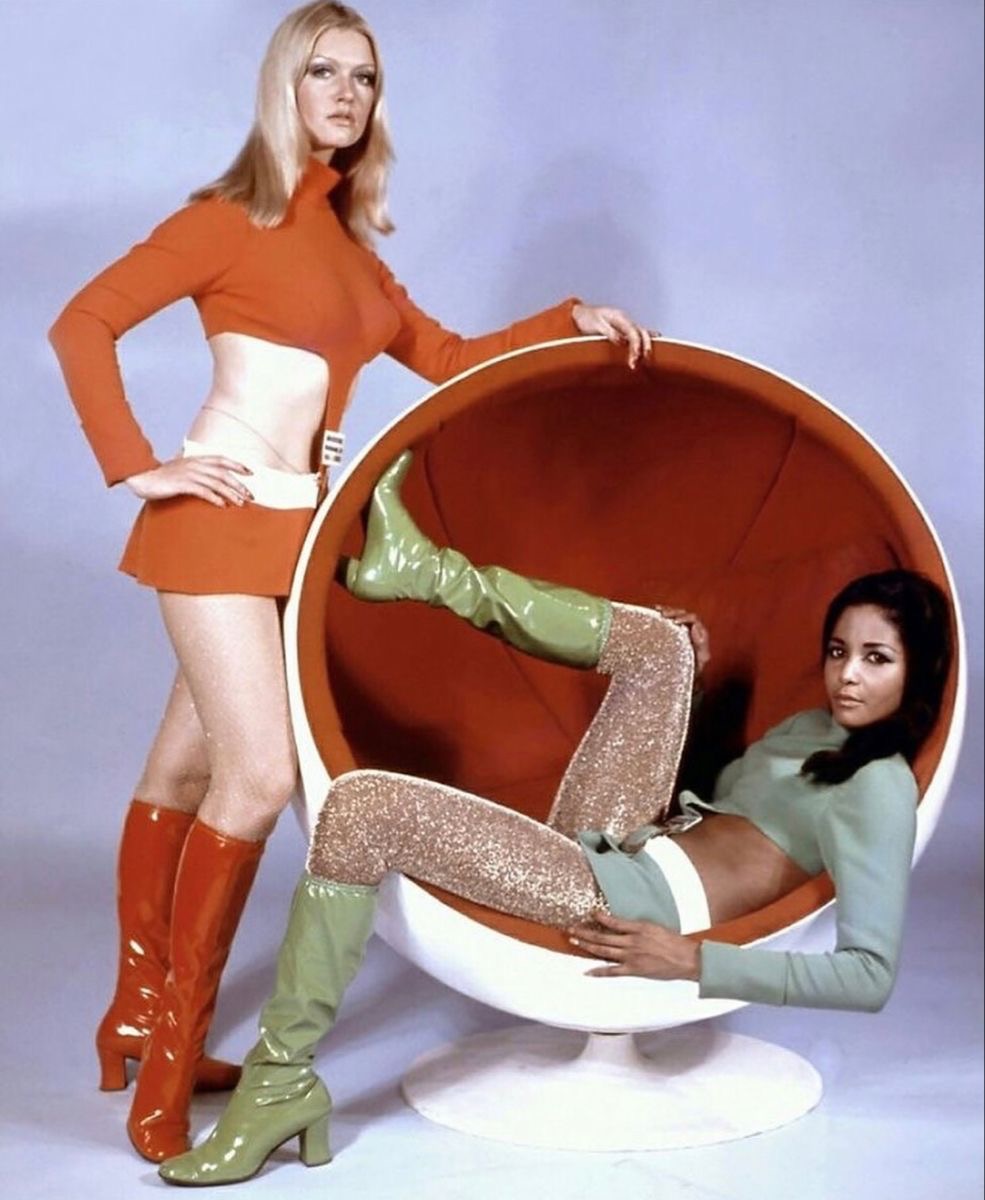
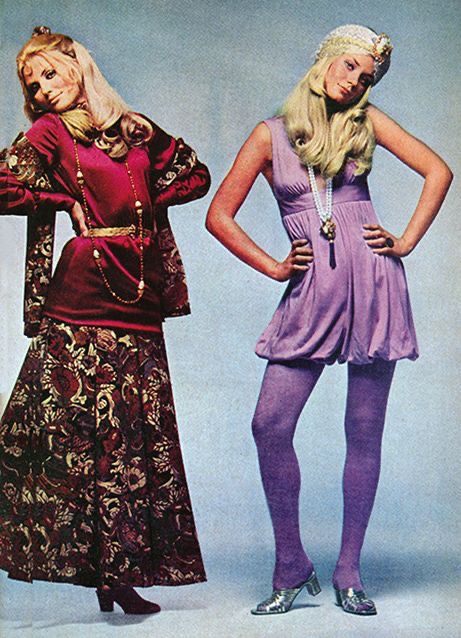
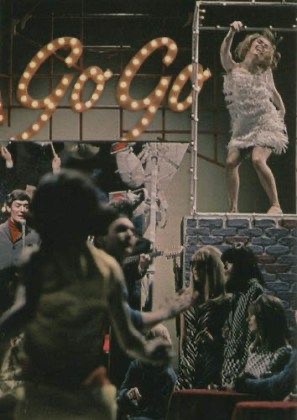
XSTSY MEDIA sees the comeback of maximalism in fashion that the 1960s solidified in that decade. Leaving the Jackie Kennedy pencil skirts in the early 1960s sparked a whimsical and childlike tone to women's fashion in the mid-1960s. Icons like Twiggy mainstreamed shorter dresses and space-age aesthetic as fashion started to loosen up in this period. Toward the end of the decade, florals and flowy fashion began to trend, mastering what most people today call hippy fashion.
Go-Go boots, statement belts/jewelry and scarves returning to style shows the impact of women in the 1960s and their revolt against perfectionism. Fashion does not have to make sense to society and should be used as a form of expressing personal or world views.
Letting go of uniform and “fitting in” may be a popular theme in fashion this year as second hand shopping reaches an all time high and the ‘clean girl aesthetic’ is slowly becoming ‘chuegy’. Playing around with different textured textiles and layering pieces adds to the character of 1960s fashion.
Below we inserted 1960 inspired fashion one can take influence of without having to shop at an antique store for genuine 1960s pieces.
POLITICS
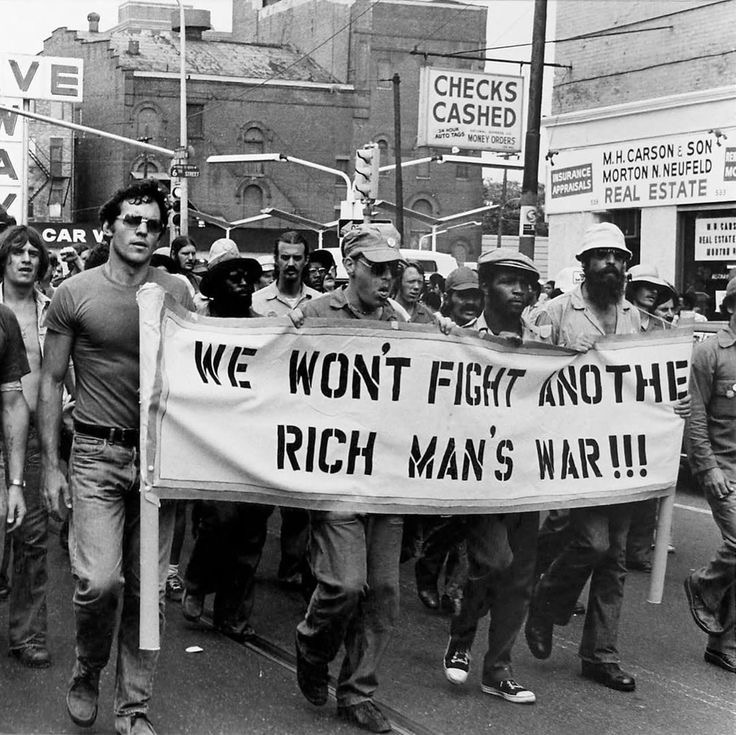
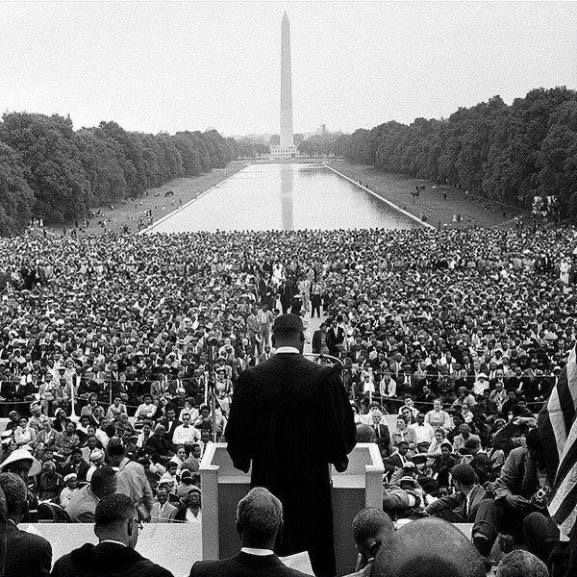
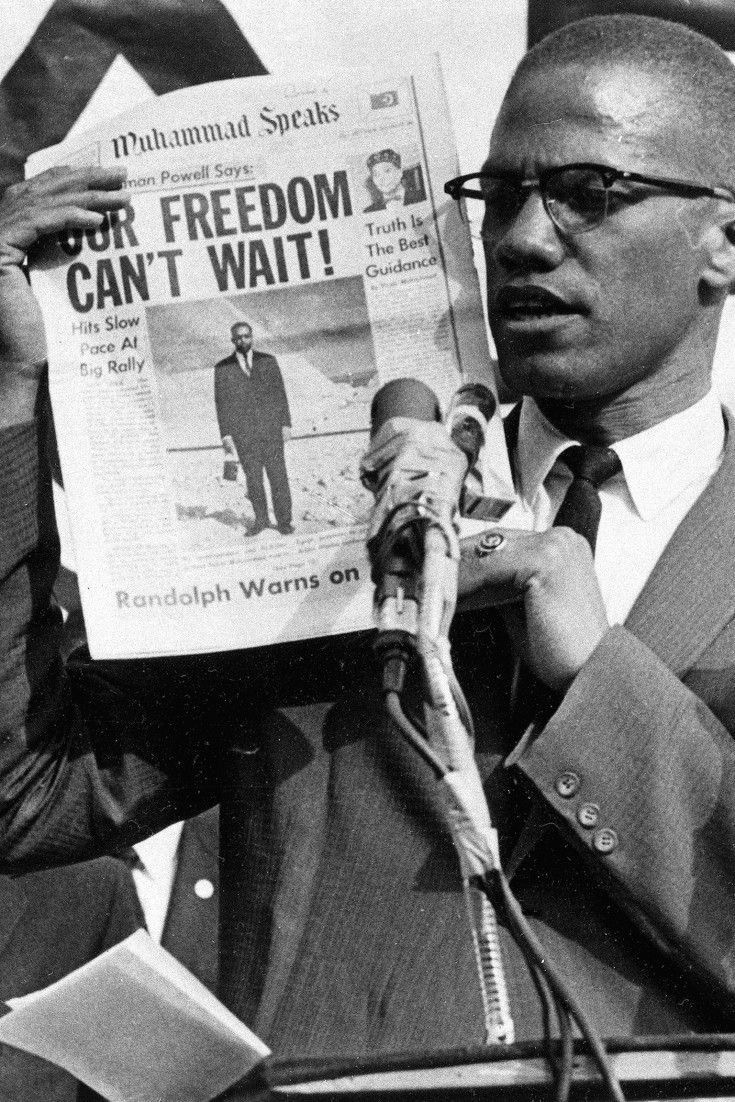
Women’s movements, anti-war protests, anti-racism protests and environmental acts sum up how the American people disagreed with its government system during the 1960s. Assassinations of Malcom X, Martin Luther King Jr. and John F. Kennedy instilled activism in the American people as they aided toward proving actual legislative change in a time of humanitarian crisis.
Today, those issues of the 1960s are still applicable to society in the 2020s as the rise in conservative beliefs mimics administrations of the past. The assisnation of Charlie Kirk and attempted assisination of Donald Trump reminded society of how powerful democracy is and that the American people have more of a voice than they think.
The advocacy from the American people in the 1960s mended them together despite the hate and chaos infiltrating their everyday life. The Vietnam War, which has its own controversies, and the Cold War brought tons of discourse to the American people. Today, protests like the Black Lives Matter Movement, the reversal of Roe v. Wade and the wars in Gaza symbolize the 1960s political state, especially since America has not had such a divide from its own people since then.
The youth today resembles the rebellion of the youth of the 1960s with their organization of marches and protests. These protests are deemed in some media outlets as riots similar to the Civil Rights Movement.
In our opinion, we do not wish for the hate and violence of the 1960s to return; however, it is interesting to look at how the young adults of today are experiencing tragedies similar to the young adults of the 1960s. Even if you do not agree with Boomers political opinions, they are familiar with America's current agenda, as it happened during their early adulthood.
The political trends that XSTSY MEDIA would like to see rebound is the activism and peaceful protest that brought communities back together in the 1960s.
A summer of love, perhaps (just without as many psychedelics).
MUSIC
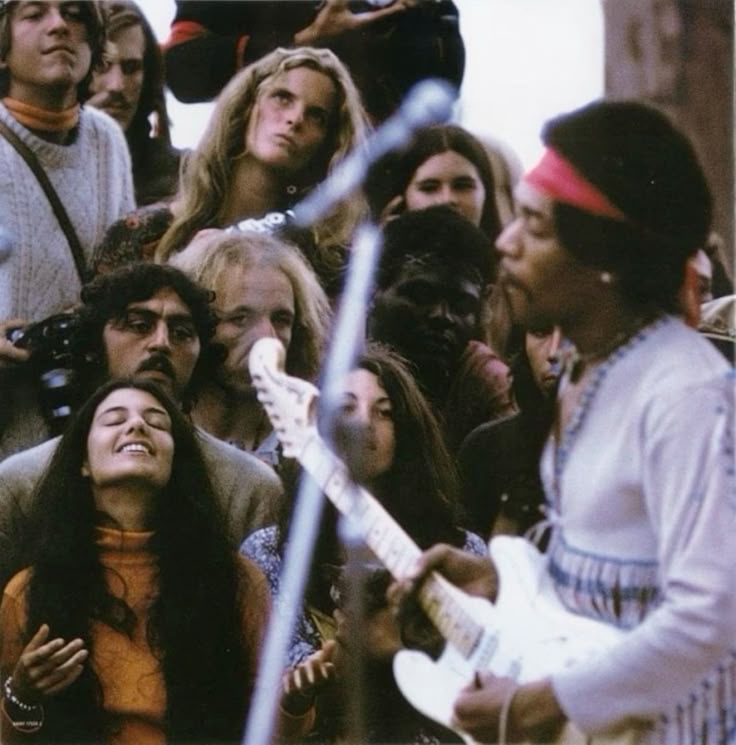
The sound of the 1960s was a genre-bending era of freedom and a reflection of society at the time. Protest songs and evolving musical technology created a counterculture of youth rebelling against the values their parents forced onto them. Music during the 1960s portrayed a desire for a free life and went against mainstream culture.
A trend XSTSY MEDIA sees online is the resentment toward mainstream artists who are environmentally damaging with private jet transportation and are not using their globally recognized voice to speak out against the current establishment’s wrong doings.
A boycott of mainstream artists can be found across genres, including large festival corporations as people start to realize their capitalist greed rather than their love for the music.
The support for smaller artists and more intimate venues translates to the sound of the 1960s. Lesser known artists who do not get paid a fraction of what mainstream artists generate, are speaking out about the underpayment of artists from streaming services and are moving more independently now. The rise of smaller collectives providing affordable shows for their local community was another trend that made it back around in the 1990s.
The 2020s are demonstrating that pattern of anti-big corporations and rebuking capitalist greed in music as it is a universal language that brings people together to create change.
For music in 2026, XSTSY MEDIA hopes that the love and freedom for the art combine to inform the masses about questioning authority and using their voice to dictate their future.
Let us know what trends you think will come back in 2026!
XSTSY MEDIA can be reached at xstsymedia@gmail.com
0 Comments Add a Comment?